GA Academy 9.0: MAYBAKER Investment Pitch
Prepared by Ayomide Fatai AdenugaSamuel Oluwatobi OyinboMelvin OkpalaezeOritseresholaye Oghenetega GrageAnyaji DanielFemi Ayomikun OlaluwoyeEmmanuel Ifeanyi NwoneAmarachi Christiana OkparaAbiodun Opadotun

Research and Analytics
Research and Analytics
Prepared by Ayomide Fatai AdenugaSamuel Oluwatobi OyinboMelvin OkpalaezeOritseresholaye Oghenetega GrageAnyaji DanielFemi Ayomikun OlaluwoyeEmmanuel Ifeanyi NwoneAmarachi Christiana OkparaAbiodun Opadotun
Prepared by Abdulraheem Khadijat Owoyemi Amirat Ismail Adeola Afuye Dasola Ganiyu Ayorinde Ayodunni Mariam Ismail Olanrewaju Fasasi Isiaka Olalekan Kabir Opeyemi Ogunwale Ugochukwu Adindu
Prepared by: •Olalere Ruqoyah Wuraola •Olanrewaju Bukola Abigeal •Adubi Vivtoria Olubusolami •Ikeoluwa Omowonuoluwa Ajani •Adeniyi Iyanuoluwa Anjolaoluwa
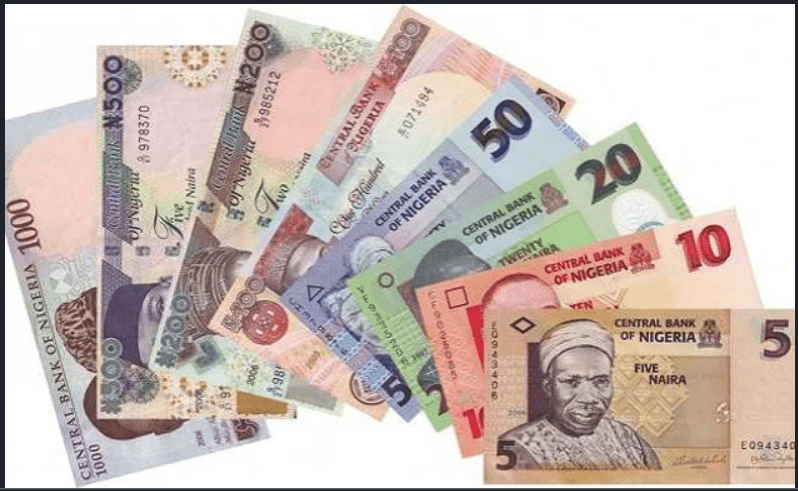
This article explains why the idea of printing more money is unfounded given the state of the Nigerian economy.
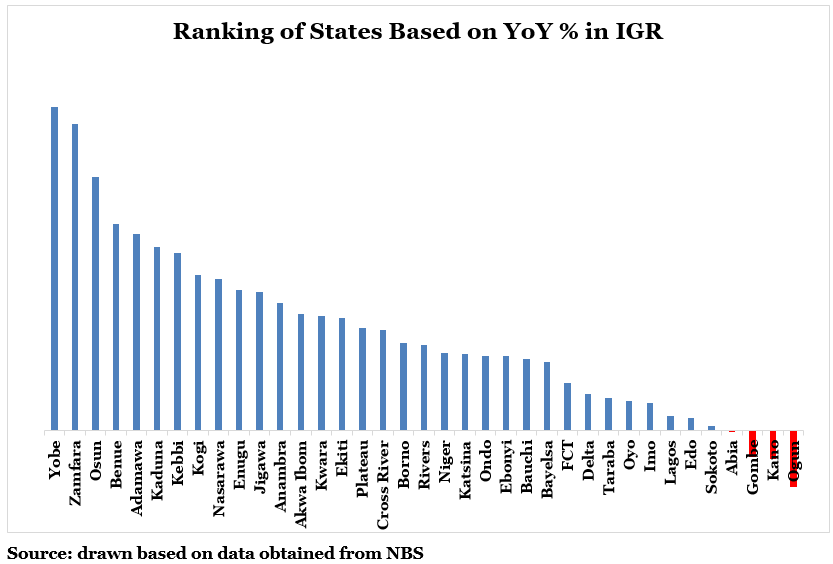
65% of the total revenue of the 36 states and the FCT in 2019 came from FAAC while the remaining 35% came from IGR of the states. From the IGR, over 60% came from the formal sector (PAYE) while 20% came from the informal sector (Other Taxes and Direct Assessment).
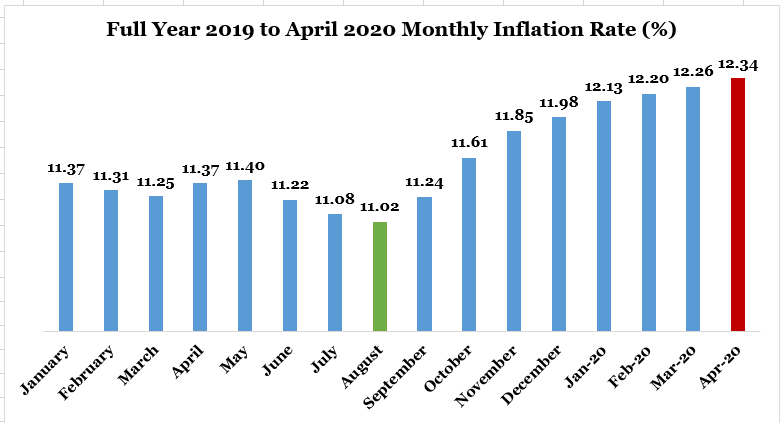
The consumer price index, (CPI) increased by 12.34% (year-on-year) in April 2020. This is 8bps higher than the rate recorded in March 2020 (12.26%). This is the eighth consecutive month of increase since August 2019 (11.02%) and the highest level since April 2018 (12.48%).
By Ruchir Agarwal and Signe Krogstrup, IMF Blog / Image Credit: IMF Many central banks reduced policy interest rates to zero during the global financial crisis to boost growth. Ten years later, interest rates remain low in most countries. While the global economy has been recovering, future downturns are inevitable. Severe recessions have historically required 3–6 percentage points cut […]
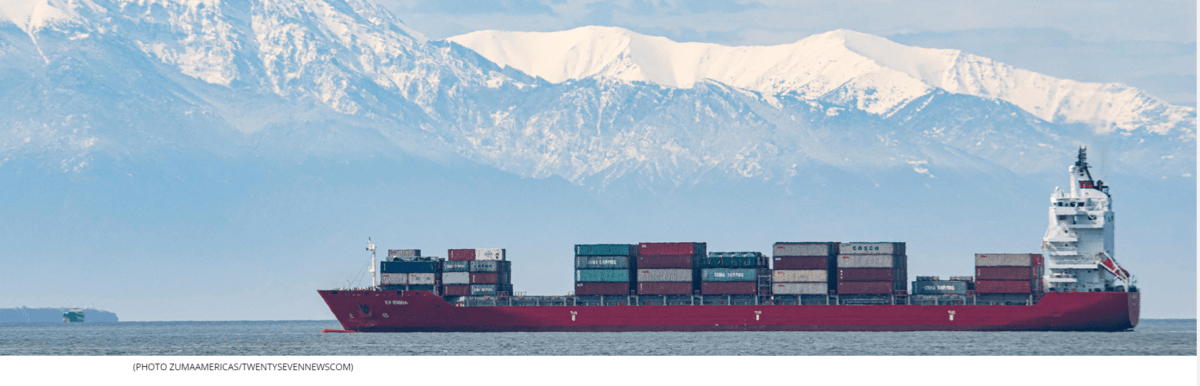
Most trade takes place by sea, and—for navigational safety purposes—virtually all cargo ships report their position, speed, and other information many times a day. A new IMF methodology using these data can help better inform us how international trade is affected by the COVID-19 pandemic.
While the economic scale of the crisis grabs attention, and could even paralyze us, the human toll is even more pressing. Millions of lives in the poorest countries are on the precipice. The contagion they face isn’t just the virus, as devastating as that will be, but its travelling companions of poverty, deprivation, even starvation.
5 Key things you should know about the poverty situation in Nigeria based on the Nigerian Living Standards Survey.