5winS.com.br
auruhana2.kz
aviator-bet.co.ke
aviator-game.com.gh
big-bass.co.uk
bsl.community
costacoffee.kz
pin-ups.com.mx
verde-casino.ro

Teleworking is not Working for the Poor, the Young and the Women

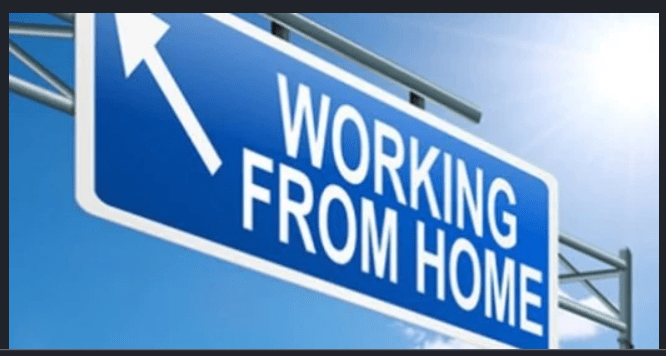
The COVID-19 pandemic is devastating labor markets across the world. Tens of millions of workers lost their jobs, millions more out of the labor force altogether, and many occupations face an uncertain future. Social distancing measures threaten jobs requiring physical presence at the workplace or face-to-face interactions. Those unable to work remotely, unless deemed essential, face a significantly higher risk of reductions in hours or pay, temporary furloughs, or permanent layoffs. What types of jobs and workers are most at risk? Not surprisingly, the costs have fallen most heavily on those who are least able to bear them: the poor and the young in the lowest-paid jobs.
Digital Financial Inclusion in the Times of COVID-19

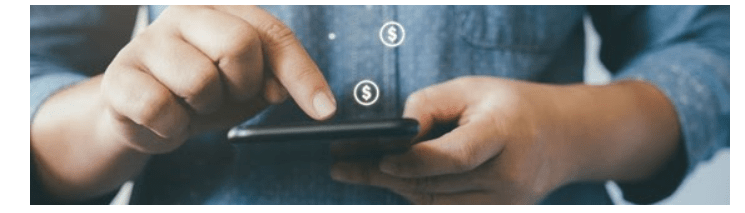
The COVID-19 pandemic could be a game changer for digital financial services. Low income households and small firms can benefit greatly from advances in mobile money, fintech services and online banking. Financial inclusion as a result of digital financial services can also boost economic growth. While the pandemic is set to increase use of these services, it has also posed challenges for the growth of the industry’s smaller players and highlighted unequal access to digital infrastructure. Several actions will need to be taken to ensure maximum inclusion going forward.

Reopening from the Great Lockdown: Uneven and Uncertain Recovery

Compared to the April World Economic Outlook forecast, the IMF now projects a deeper recession in 2020 and a slower recovery in 2021. Global output is projected to decline by -4.9 percent in 2020, 1.9 percentage points below our April forecast, followed by a partial recovery, with growth at 5.4 percent in 2021.

The Great Lockdown Through a Global Lens

The Great Lockdown is expected to play out in three phases, first as countries enter the lockdown, then as they exit, and finally as they escape the lockdown when there is a medical solution to the pandemic. Many countries are now in the second phase, as they reopen, with early signs of recovery, but risks of second waves of infections and re-imposition of lockdowns. Surveying the economic landscape, the sheer scale and severity of the Global Lockdown are striking.

Tracking Trade During the COVID-19 Pandemic

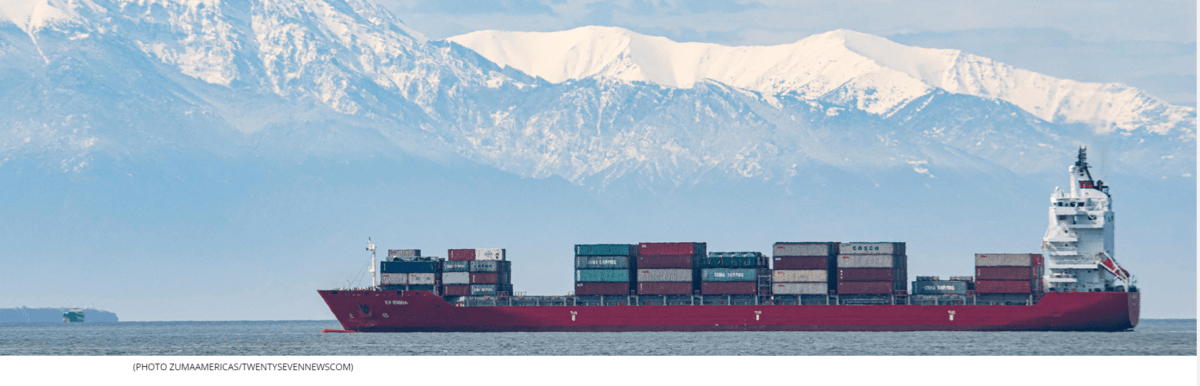
Most trade takes place by sea, and—for navigational safety purposes—virtually all cargo ships report their position, speed, and other information many times a day. A new IMF methodology using these data can help better inform us how international trade is affected by the COVID-19 pandemic.

Operational Lessons for COVID-19: What can we Learn from Past Outbreaks?

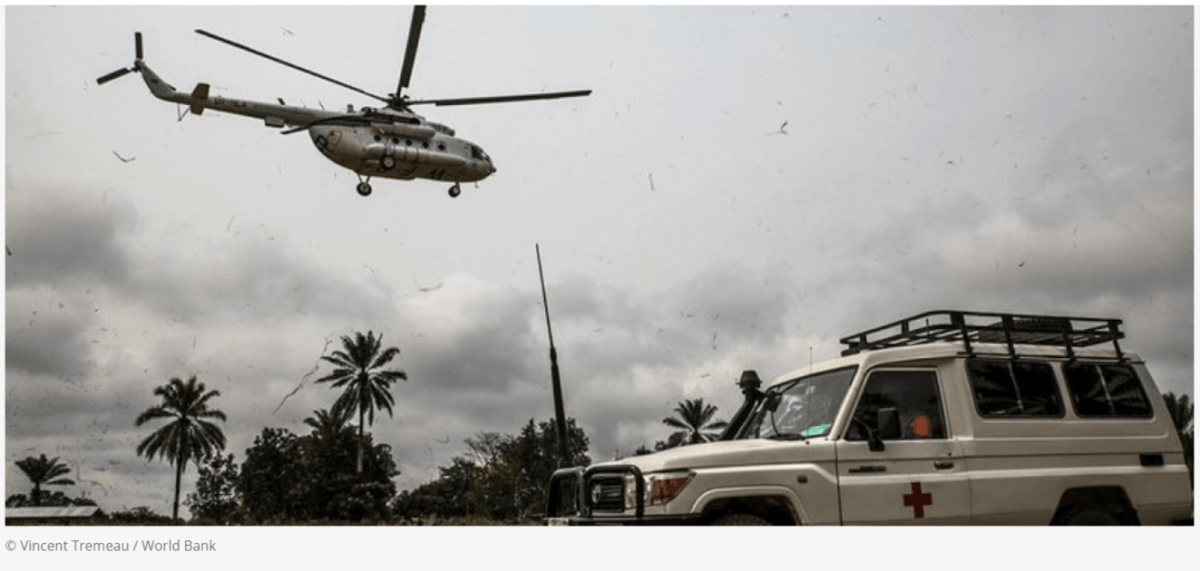
By JACOB BATHANTI and DEBRA LADNER / Image Credit: World Bank As COVID-19 (coronavirus) spreads around the world, governments and development organizations are thinking hard about how to respond effectively. Trajectories of the epidemic have varied widely among countries as governments adopt a range of policies to contain it. These efforts raise the question of […]

Scroll to top