5winS.com.br
auruhana2.kz
aviator-bet.co.ke
aviator-game.com.gh
big-bass.co.uk
bsl.community
costacoffee.kz
pin-ups.com.mx
verde-casino.ro

Taming Market Power Could (also) help Monetary Policy

Some central banks are currently debating whether to tighten monetary policy to fight inflationary pressures, after having eased decisively in response to the COVID-19 shock. In making such decisions, central bankers have to consider how much businesses and consumers will respond. The structure of the financial system and the future expectations of consumers and businesses are key drivers of how effective monetary policy actions will be. Yet there’s another, overlooked, driver: corporate market power.

How “Chaos” In the Shipping Industry Is Choking The Economy

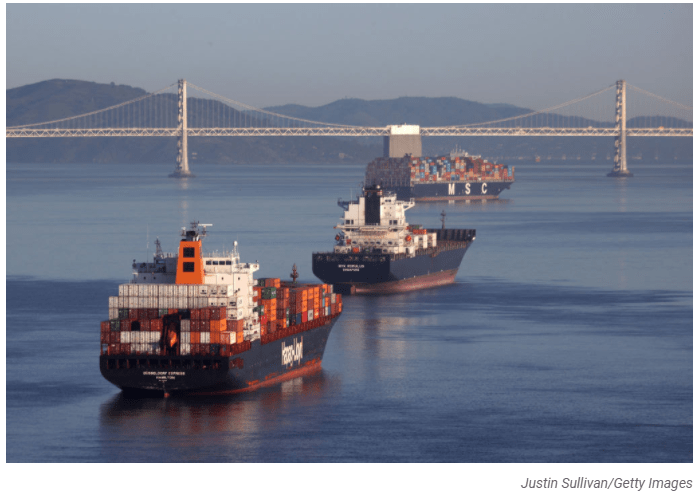
On both land and at sea, the entire supply chain is struggling to keep up. In the Pacific Northwest, it’s become such a clusterfest that the U.S. Coast Guard has been redirecting boats to anchor off the coast of Whidbey Island and other places they typically don’t park. Ship crews are having to wait days, even weeks, for the chance to dock at the ports and offload their precious goods.

Why Soaring Stocks Could Be Bad News For The Economy

While it’s had some ups and downs, the stock market has soared to historic heights in recent years. For many, that’s great news: it’s a sign that the economy and their retirement accounts are doing really well. For Jan Eeckhout, however, the booming stock market is a sign that there’s something deeply wrong with the economy.

Sure, the economist says, he has a retirement account with stocks, and he personally benefits from the ongoing bonanza on stock exchanges. But the rocket ride of the stock market is powered by the exploding profits of increasingly powerful corporations. Their increasingly ridiculous profits, he says, are eating the income of the vast bulk of workers and hurting the overall economy. That notion is the central thesis of his forthcoming book, The Profit Paradox: How Thriving Firms Threaten the Future of Work.

104 days of Bidenonomics

President Biden has now been in office for 100 days. Okay, technically 104 days. In that time, presidential tweets have gotten way more boring, but the federal government’s plans to intervene in the economy have gotten way more interesting.

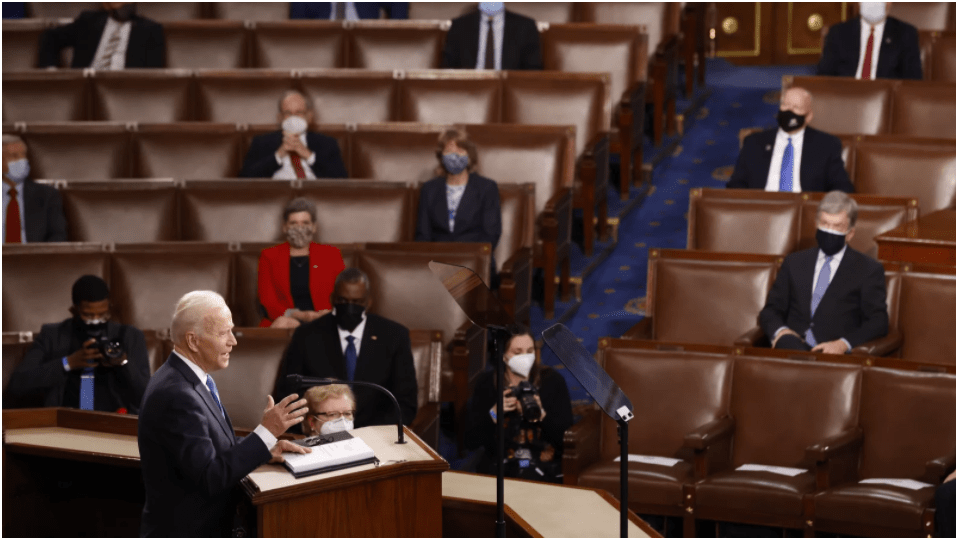
In his joint address to Congress last week, Biden called for a multitrillion-dollar agenda that could fundamentally transform the economy. And it now seems like the man conservatives called “Sleepy Joe” has been pounding Red Bulls and is ready to tax and spend like no president in generations.

Here’s a brief overview of some of President Biden’s biggest economic initiatives.

The Biggest Gainers in the Coronavirus Economy

As a result of the outbreak of COVID-19, countries have restricted the movement of its citizens. In California, the residents have been advised to stay at home and only can go out when it is absolutely necessary. Italy and France have also ordered a total lock down while different countries such as the United States, […]

The Much Damages Coronavirus has Done to the Global Stock Market

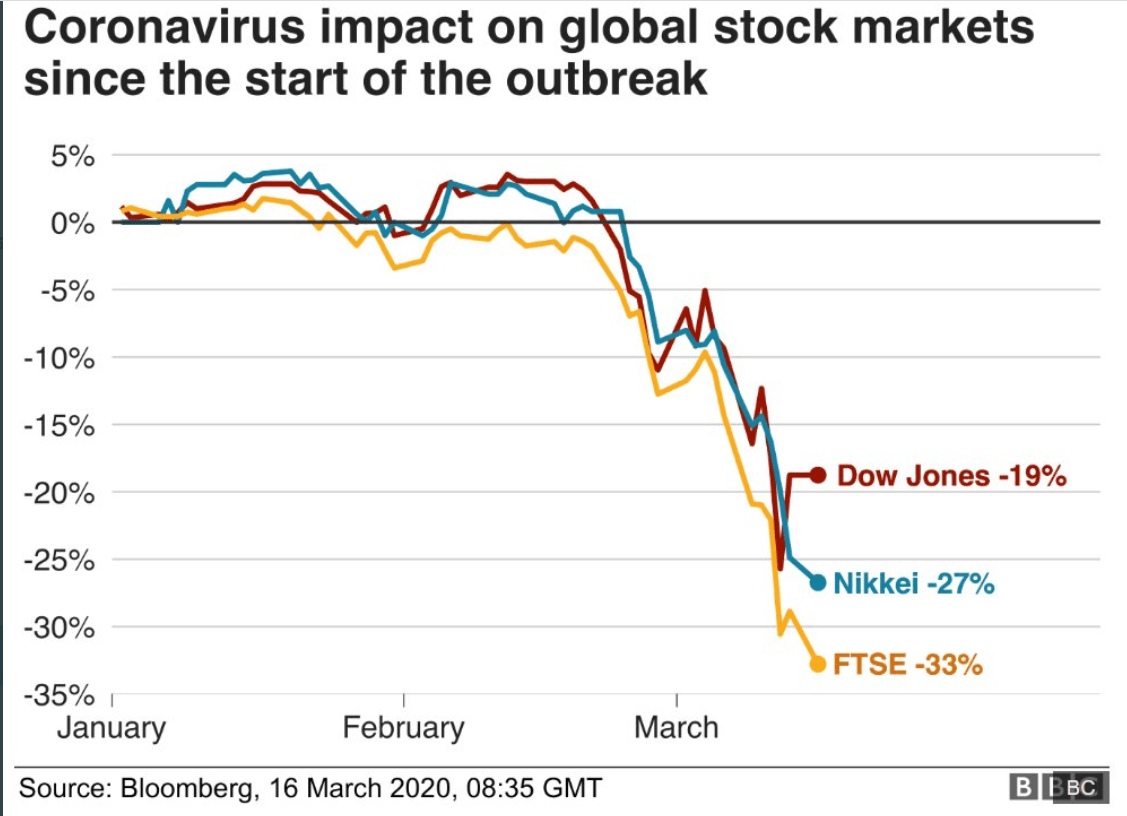
In the global stock market, the impact has been overwhelming as investors rally around to look for safe havens. The DOW-Jones, S&P 500 and NASDAQ have all entered into the bear market as a result of COVID-19. According to the rules of the New York Stock Exchange (NYSE), trading on the floor of the exchange […]

What is the Impact of Coronavirus on the Nigerian Economy?

An Introduction Though started on December 30 2019 when Dr. Li Wenliang dropped bombshell in his medical school alumni group on WeChat about the kind of illness he had seen from seven patients, the coronavirus was officially recognized by the Chinese scientists on January 7, 2020. According to NYTimes, the virus has sickened more than […]

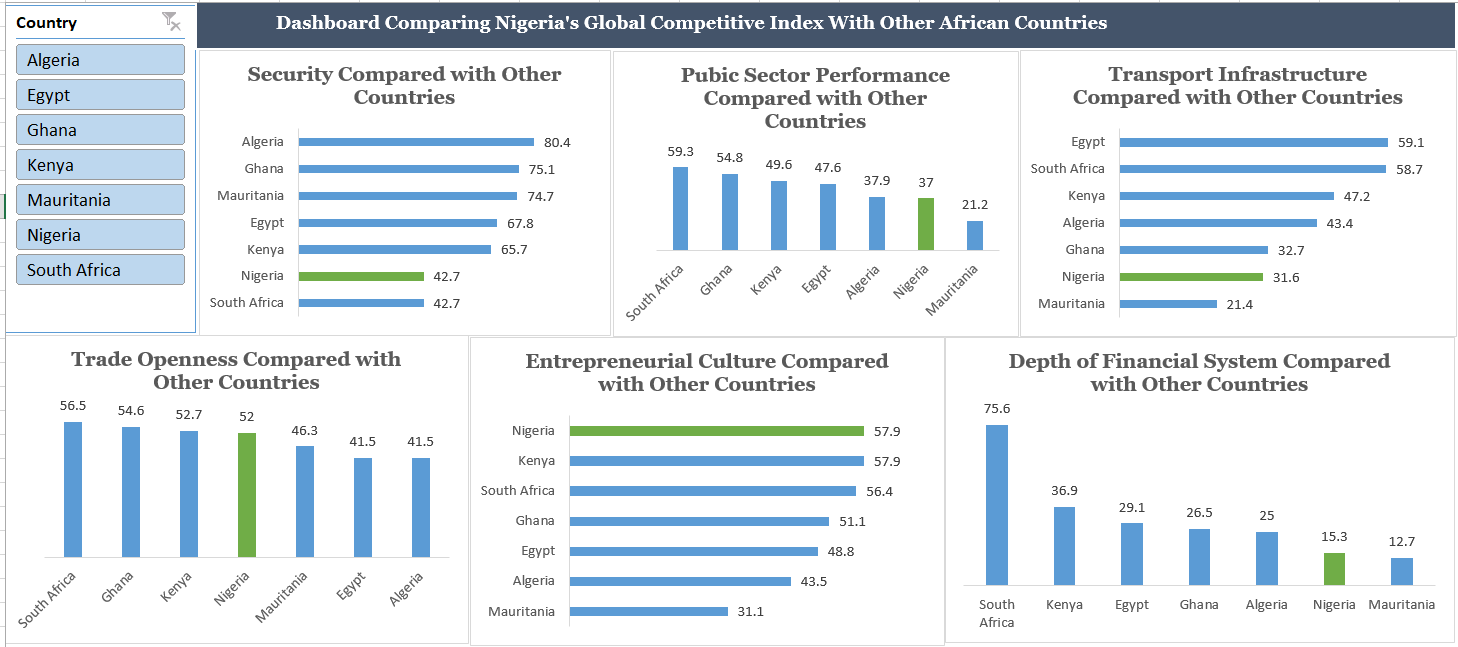
How Competitive is the Nigerian Economy Compared to its Peers in Africa?

According to the WEF, a country’s performance on the overall GCI results as well as each of its components is reported as a ‘progress score’ on a 0-to-100 scale, where 100 represents the ‘frontier’, an ideal state where an issue ceases to be a constraint to productivity growth. This means that the more a country moves closer to 100 points, the better it is for her. The 2019 edition of the report therefore focuses on 141 economies of the world which account for 99% of the world’s GDP.

The World, Africa, West Africa and Nigeria’s Economy in 2018

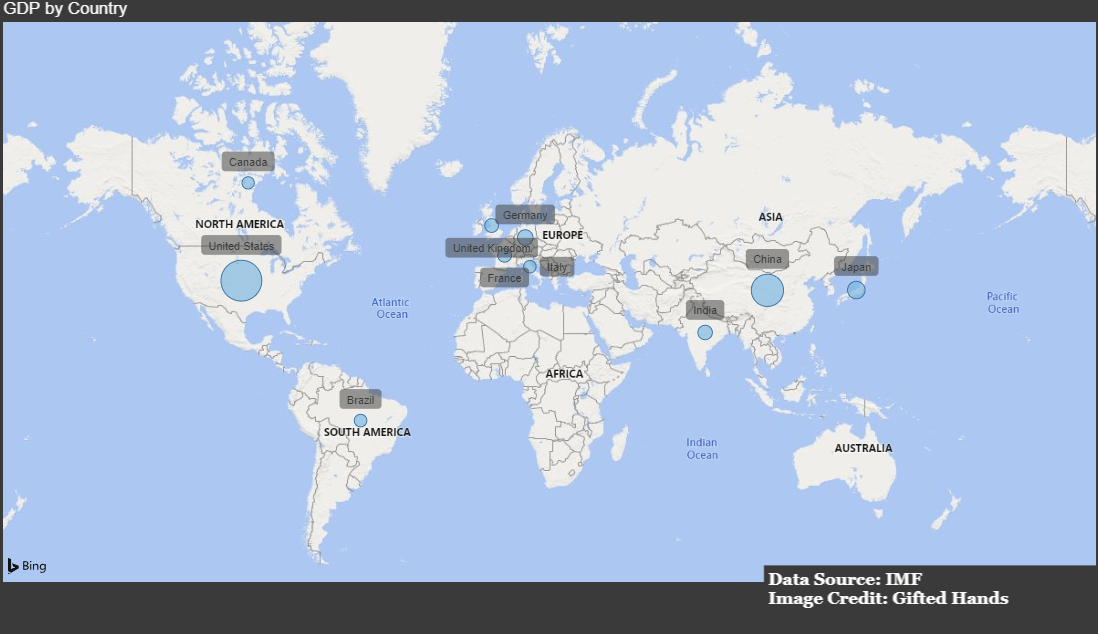
In 2018, the International Monetary Fund (IMF) put the value of all goods and services produced in the world at $84.74 trillion with the United States as the largest economy in the world at $20.49 trillion which is about 51 times the size of Nigeria’s GDP (Africa’s largest economy).
This research therefore aims to give a break-down of the world economy in 2018 with specific focus on Lagos State, West Africa and Africa while giving insights into comparing different economies.

Scroll to top