5winS.com.br
auruhana2.kz
aviator-bet.co.ke
aviator-game.com.gh
big-bass.co.uk
bsl.community
costacoffee.kz
pin-ups.com.mx
verde-casino.ro

US Shale Could Crash the Oil Market Recovery

The oil price crash was the result of a severe decline in international oil demand thanks to the spread of the novel coronavirus, made infinitely worse by an ensuing oil price war between the leading OPEC+ members of Saudi Arabia and Russia.
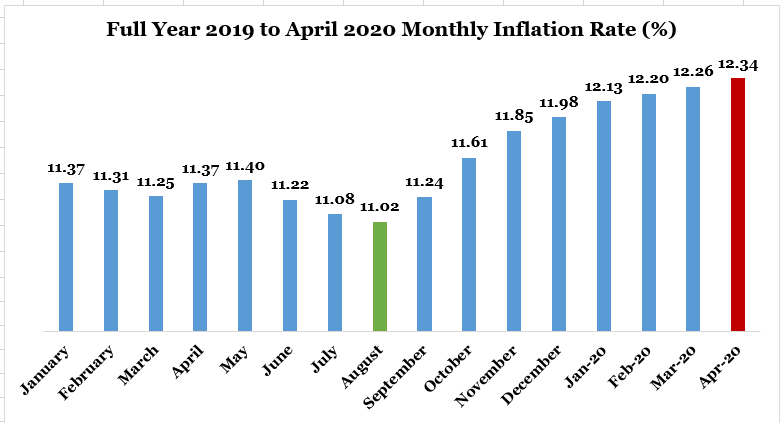
April 2020 Consumer Price Index Report: A continuous rise in Inflation

The consumer price index, (CPI) increased by 12.34% (year-on-year) in April 2020. This is 8bps higher than the rate recorded in March 2020 (12.26%). This is the eighth consecutive month of increase since August 2019 (11.02%) and the highest level since April 2018 (12.48%).

Cashing In: How to Make Negative Interest Rates Work

By Ruchir Agarwal and Signe Krogstrup, IMF Blog / Image Credit: IMF Many central banks reduced policy interest rates to zero during the global financial crisis to boost growth. Ten years later, interest rates remain low in most countries. While the global economy has been recovering, future downturns are inevitable. Severe recessions have historically required 3–6 percentage points cut […]

Tracking Trade During the COVID-19 Pandemic

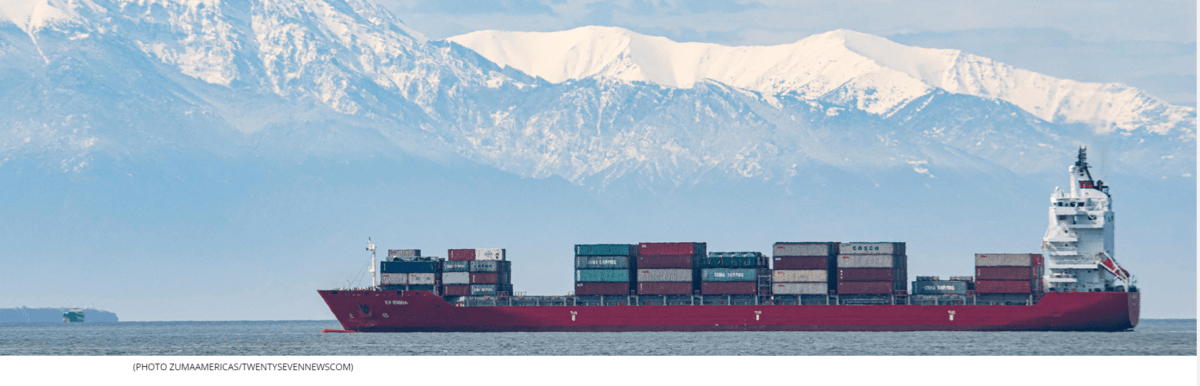
Most trade takes place by sea, and—for navigational safety purposes—virtually all cargo ships report their position, speed, and other information many times a day. A new IMF methodology using these data can help better inform us how international trade is affected by the COVID-19 pandemic.

Broad, Fast Action to Save Lives and Help Countries Rebuild

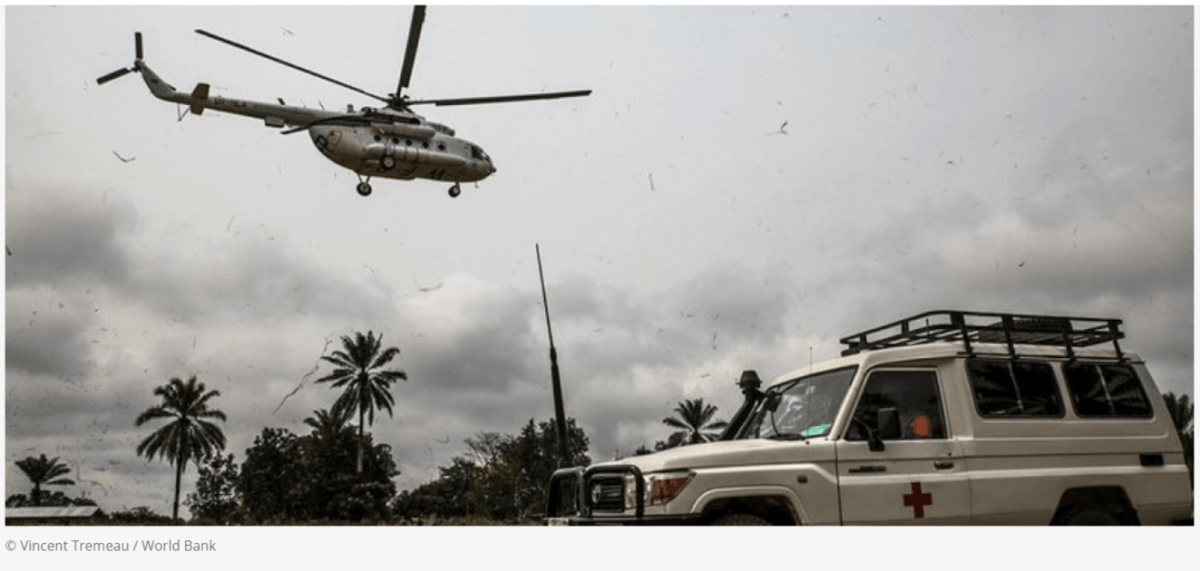
While the economic scale of the crisis grabs attention, and could even paralyze us, the human toll is even more pressing. Millions of lives in the poorest countries are on the precipice. The contagion they face isn’t just the virus, as devastating as that will be, but its travelling companions of poverty, deprivation, even starvation.

Operational Lessons for COVID-19: What can we Learn from Past Outbreaks?

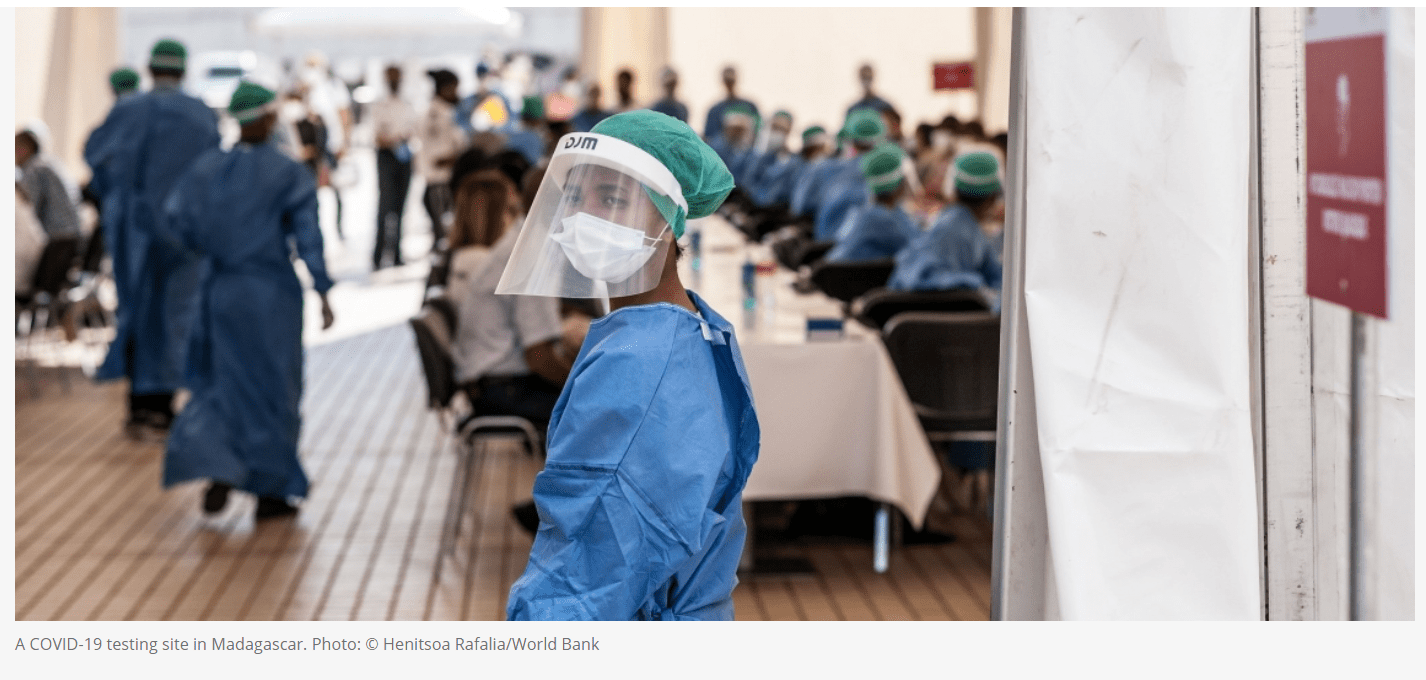
By JACOB BATHANTI and DEBRA LADNER / Image Credit: World Bank As COVID-19 (coronavirus) spreads around the world, governments and development organizations are thinking hard about how to respond effectively. Trajectories of the epidemic have varied widely among countries as governments adopt a range of policies to contain it. These efforts raise the question of […]

Hunger Amid Plenty: How to Reduce the Impact of COVID-19 on the World’s Most Vulnerable People

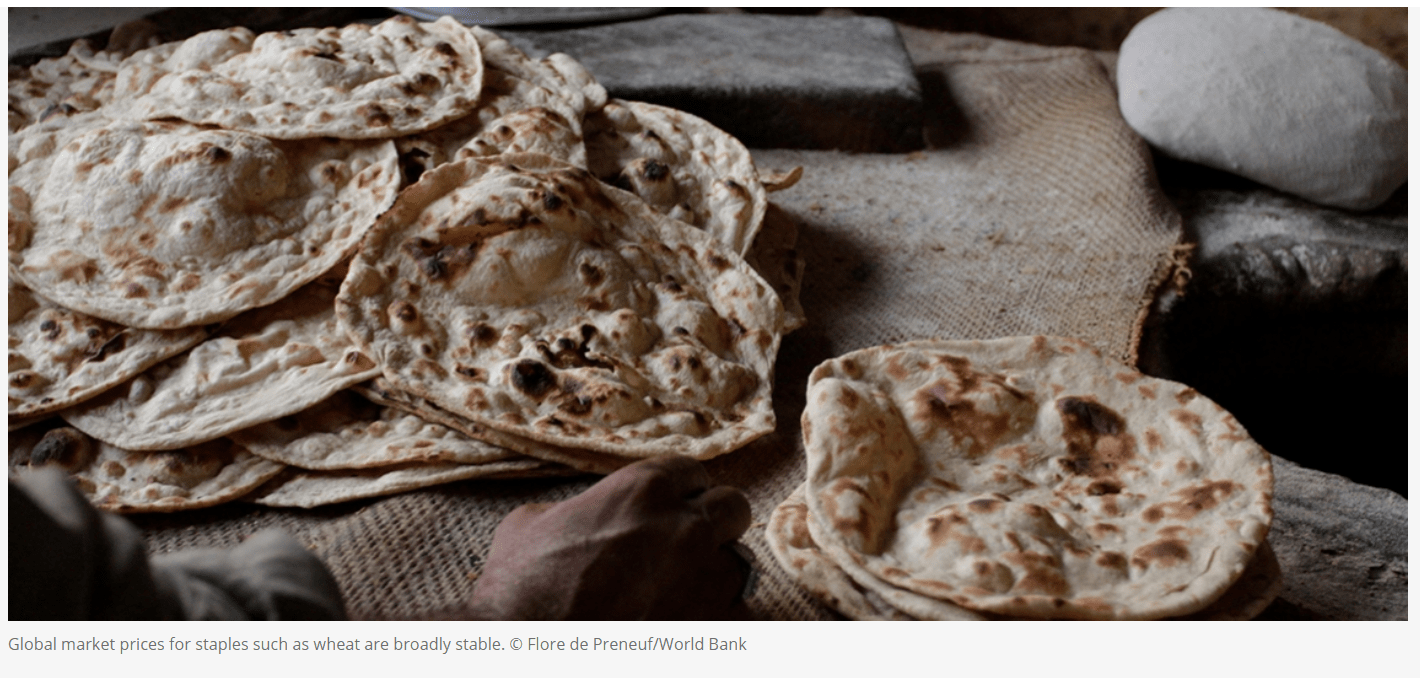
The World Bank’s Commodity Markets Outlook comes with large caveats including uncertainty over the pandemic’s duration and severity; the direction of energy and fertilizer prices; currency movements; changes to trade and domestic support policies; and possible disruptions in global supply chains.

How Pandemics Leave the Poor Even Farther Behind

By Davide Furceri, Prakash Loungani, and Jonathan D. Ostry / Image Credit: IMF The COVID-19 crisis is now widely seen as the greatest economic calamity since the Great Depression. In January, the IMF expected global income to grow 3 percent; it is now forecast to fall 3 percent, much worse than during the Great Recession of 2008-09. […]

COVID-19: What we Learnt One Week after Gradual Ease of Lockdown

On 4th May, the first phase of the gradual ease started and residents of Lagos state and Abuja were able to go out to their places of work again. As an independent economic research group, we also set out to observe how the citizens went about their economic activities, how they conveyed themselves, the cost associated with the movement as well as the activities of the transport unions in enforcing social distancing.

State-Owned Enterprises in the Time of COVID-19

By Vitor Gaspar, Paulo Medas, and John Ralyea/ Image Credit: WEF The pandemic has highlighted the role of the public sector in saving lives and livelihoods. State-owned enterprises are part of that effort. They can be public utilities that provide essential services. Or public banks that provide loans to small businesses. But some are also […]

Scroll to top